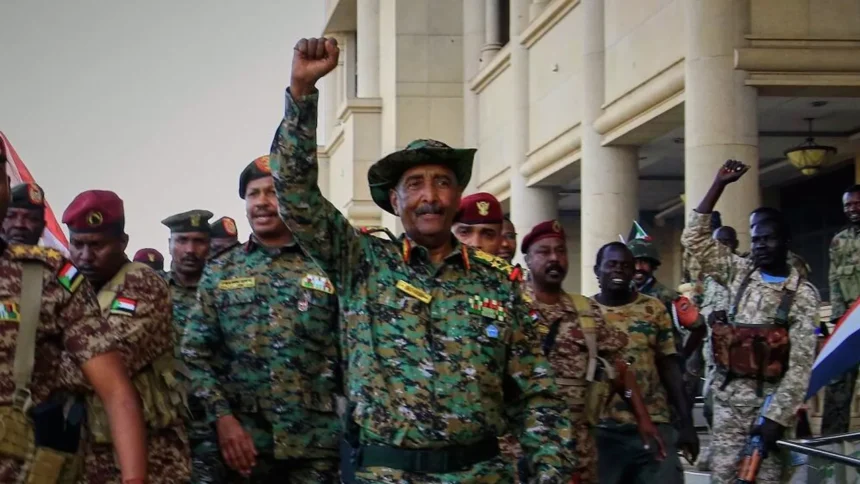

تزامنا مع تصريحات رئيس مجلس السيادة الانتقالي في السودان ،القائد الأعلى للقوات المسلحة الفريق أول عبد الفتاح البرهان البرهان التي قال فيها “لا هدنة مع التمرد”، قال مسعد بولس، كبير مستشاري الرئيس الأمريكي للشؤون العربية والأفريقية إن الآلية الرباعية المعنية بالسودان أنهت صياغة النص النهائي لاتفاق سلام يتضمن هدنة إنسانية، متوقعا إقراره خلال الأسابيع المقبلة.
وقال كبير مستشاري ترامب، في كلمته أمس الثلاثاء، خلال مؤتمر للمساعدات الإنسانية في واشنطن، إن الولايات المتحدة تعمل على وضع ترتيبات لخفض التصعيد، تشمل انسحابا محدودا للقوات من بعض المناطق بهدف تسهيل وصول المساعدات، مؤكدا أنه جرى الاتفاق داخل الآلية الرباعية على إعادة انتشار للقوات في مواقع محددة، في إطار خطوات تمهيدية لوقف الأعمال القتالية، بما يسمح بفتح ممرات إنسانية آمنة.
بولس أكد أن الاتفاق سوف يتم رفعه إلى مجلس الأمن بعد مصادقة الرباعية عليه، باعتباره خطوة أساسية لدعم جهود التسوية، معلنا أن الجهود الأمريكية والدولية أسفرت عن جمع ما يقارب مليار ونصف دولار لدعم الجهود الإنسانية في ظل تفاقم الاحتياجات مع استمرار الحرب.
يقول المسؤول السابق في الحكومة السودانية الدكتور ربيع عبد العاطي: “إن المبعوث الأمريكي إن كان يعلم أو لا يعلم، فحسم الأمر في السودان ليس بيده ولا بيد سلطة أو فرد، وإنما هذا شأن سوداني صرف تحكمه الوقائع والشواهد ويملك قيادته الرأي العام السوداني”.
واضاف في حديثه مع وكالة اسبونتيك في حديثه لـ”سبوتنيك”: “حسب ما أرى فإن المعارك الدائرة الآن في أطراف السودان الغربية تسير مع عصابات لا علاقة لها بهدنة أو اتفاق، والجيش السوداني يلاحق هذه العصابات في مخابئها وفي طريقه نحو اجتثاث شأفتها كما حدث في جنوب كردفان بمدينة الدلنج وكادوقلي”.
ويرى عبد العاطي عبد العاطي: “أن مدينتي الدلنج وكادوقلي هما المدينتان اللتان يفتحان الطريق للالتفاف حول عصابات الدعم السريع وربما قريبا نشهد سيطرة الجيش على كامل مناحي دارفور، بما في ذلك نيالا والجنينة والفاشر وزالنجي وغيرها من الحواضر والأرياف”.
ويقول رئيس الحركة الشعبية لتحرير السودان الدكتور محمد مصطفى: “إن تصريحات الدول الكبيرة ليست للاستهلاك كما يفعل السياسيون في دول العالم الثالث، بل هي تصريحات تستند لحسابات استراتيجية دقيقة”.
ويوضحةفي حديثه لـ”سبوتنيك”: بان “تصريحات مسعد بولس ناتجة عن تقييم حقيقي لمواقف الدول المساندة لأطراف الحرب، ومواقف أطراف الحرب على أرض المعركة وعلى المستوى السياسي والوضع الإنساني الذي يعيشه المواطن السوداني، وموقفه من وقف الحرب وإنهائها”.
ويرى أن مصطفى إلى أن “خيارات التسوية قد تصطدم بالواقع النفسي لطرفي الحرب، وقناعات كل طرف ومستوى قبول بعضهم البعض للعمل سويا في حكومة واحدة وتشكيل قوات مسلحة واحدة، لكن عندما يتأكد كل منهما من عدم وجود هامش حرية للمناورة يصبح الحل ممكنا، وذلك قد يتحقق عندما تمتلك الدول الكبيرة الإرادة لذلك”.
ويقول الدكتور عادل عبد الباقي رئيس منظمات المجتمع المدني السودانية لذات الوكالة : “إن هناك تراجعا ميدانيا كبيرا للعمليات العسكرية في الشهرين الماضيين مع وقف الدعم التدريجي من الدول الداعمة لأطراف الصراع، ما ساهم بصورة فعالة في وقف إطالة أمد الحرب”.
Paul’s announcement of drafting the final text of a peace agreement.. Sudanese experts’ differing opinions about the end of the war