

Report: Shaima Hassan Ali
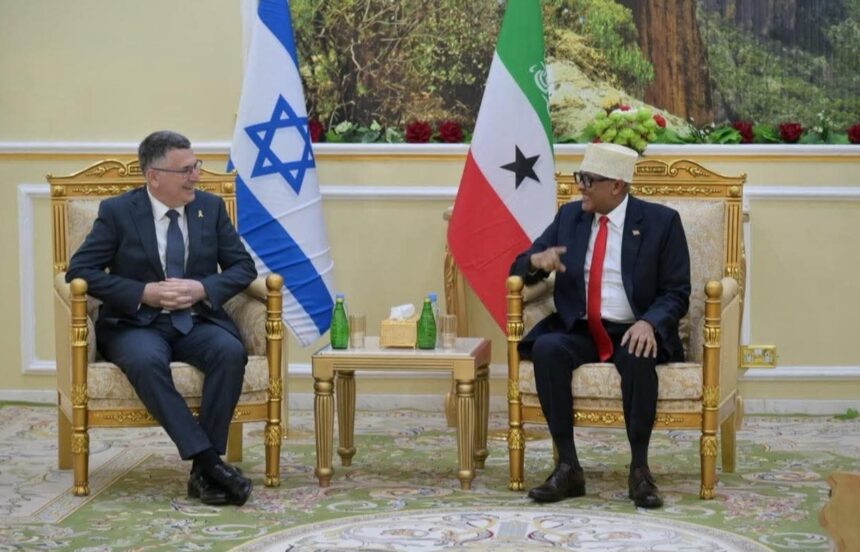
As soon as Israel announced recognition of the nascent state of Somaliland, Israeli Foreign Minister Gideon Sa’ar rushed to visit Hergesia on January 6, and was received by the president of the separatist region, Abdul Rahman Mohamed Abdullah. Sa’ar also invited the president of the region to visit Israel, according to the joint press statement. The two parties agreed to have diplomatic representation that includes opening embassies and appointing embassies, and strengthening economic relations in the fields of energy, agriculture and water, in addition to the This is the security and military position that “Mogadishu” rejected, considering the Israeli recognition as a step in the process of dismantling Arab countries and supporting separatist entities. Somali President “Hassan Sheikh Mohamud” added during his interview on one of the satellite channels “Al Jazeera” that Israel’s recognition came in accordance with demands and understandings between “Hergeysia” and “Tel Aviv”, including displacing the Palestinians, joining the “Abraham Accords”, and establishing a military base for it, which is trying to This analysis explains the latest developments in Israeli recognition of Somaliland, as follows:
First: Israel and the feasibility of its presence in the heart of the Horn of Africa
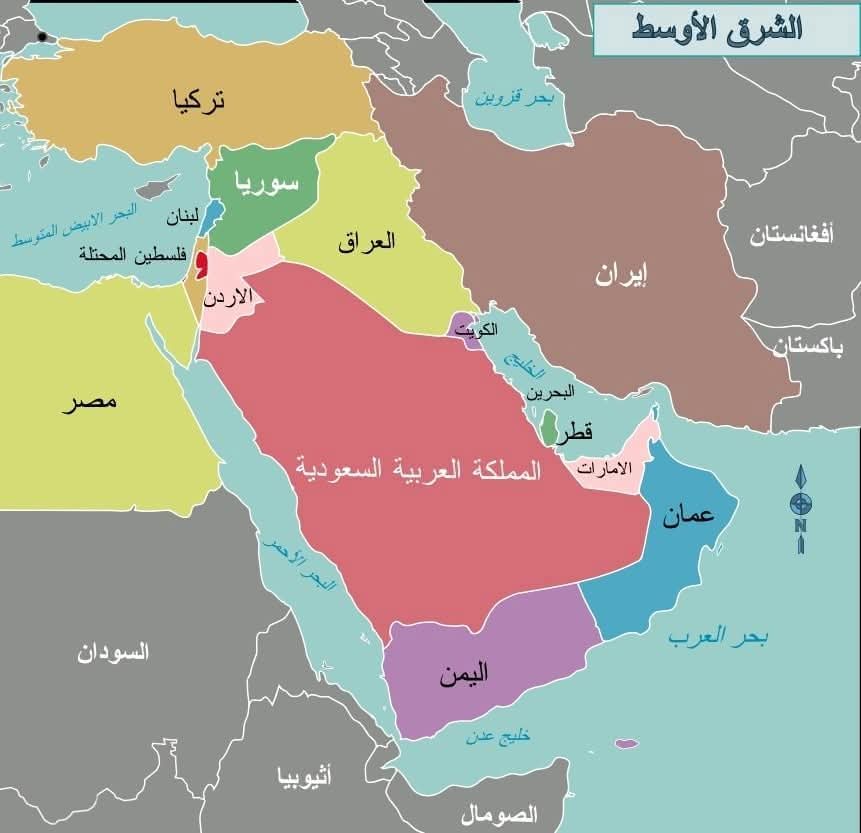
The strategic importance that the Horn of Africa enjoys is not hidden from everyone, as the region oversees the most important shipping lanes through which a third of global trade and Gulf oil resources pass, in addition to the economic resources, rare minerals, energy reserves, and fertile land for agriculture that the countries of the Horn of Africa enjoy, and other capabilities that the region enjoys, but the dilemma that Israel finds itself in is that the countries of the Horn of Africa either do not recognize Israel, or they fundamentally reject any presence of Israel on the Red Sea, which can be observed during the formation of the “Sea Council.” "Red", which Arab countries have rejected the presence of Israel within its formation. On the other hand, the entrance to the Red Sea is the lifeline that the "Houthi group" began to stop during the Israeli war on the Gaza Strip, which was confirmed by reports that talked about the "Eilat" port stopping work. The Israeli strikes on the Houthis did not succeed, nor did the American strikes succeed, which in the end realized that it was a losing battle with Ansar Allah, and then we witnessed the existence of an agreement between the United States and the Houthis requiring the cessation of operations. The American strikes, in exchange for not targeting American ships and tankers, and there is another dimension, which is combating terrorism in the Horn of Africa, especially the Somali Al-Shabaab movement, which international reports spoke of cooperation between it and the “Houthis” in the areas of weapons smuggling, and therefore, it can be considered that security and intelligence cooperation in this region is one of the Israeli priorities in that region.
Second: Strengthening security and intelligence cooperation
Clearly, “Israel” wants cooperation at all levels. Security and intelligence cooperation is considered one of the most important aspects, which means entering into agreements for training and armament, technical and strategic support, and the possibility of establishing a military base. It can be said that Israel wants to fill the intelligence gap that Israeli intelligence suffers from towards Yemen, especially the Houthis, and therefore the presence of a military base and establishing security and intelligence cooperation in the Somaliland location is important for Israel, and despite what is promoted in the Israeli media about the feasibility of having a military base. Intelligence, Dr. Amani Al-Taweel believes that influence in the Red Sea and the Indian Ocean is the most important, as she said, “Israel has intelligence bases south of the Red Sea, and possesses the technology for this purpose, and Al-Taweel believes that what is being marketed in the Israeli media through the idea of having a military base in this region to confront the Houthis is an incorrect idea. It wants to have extended influence, and this makes it have influence in the Indian Ocean as well.”
Third: Timing and its implications
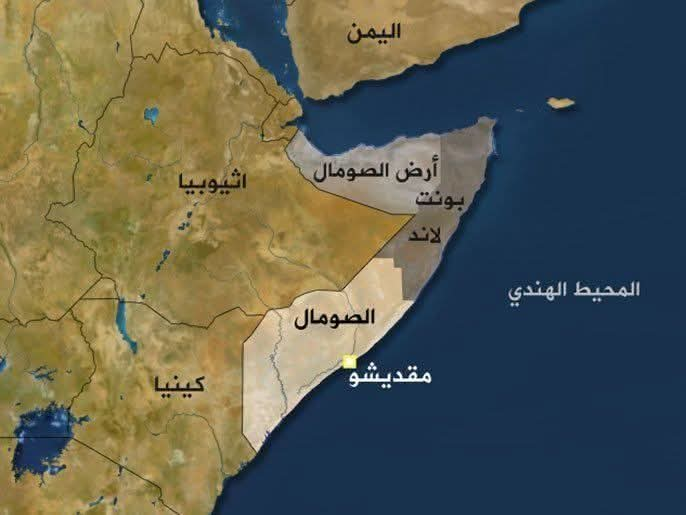
According to some reports, Israel is actually present on the islands of the “Dahlak” archipelago and owns military boats there, and carries out intelligence work, with the approval of “Eritrea.” It also has distinguished relations with “Kenya” and “Ethiopia.” However, the Israeli presence in Eritrea and the “Dahlak” archipelago does not provide it with operational and practical capabilities, and the specialist in Israeli affairs “Liqaa Makki” believes that as for Eritrea, it will not go further in its relations because of its greater connection. In alliance with Egypt and Saudi Arabia, the security concern and its fears of Ethiopia govern this position, and thus Israel is trying to upgrade its presence in the Horn of Africa through “Somaliland” and the port of “Berbera”, which will provide Tel Aviv with operational and operational capabilities (commando operations) and infiltration into Yemen, and this is the secret behind the African countries’ rejection of these strategic, operational and intelligence advantages.
Fourth: Settlement and displacement projects in the Palestinian territories
As for the crown jewel that Israel is looking for, it is the project to displace the Palestinians. Several reports stated that Israel is consulting with some African countries to receive the Palestinians. This is a project that Israel failed to implement due to the refusal of Egypt and Jordan. However, this did not prevent “Tel Aviv” from making life conditions impossible in the Gaza Strip. In addition, Israel’s attempts to allow some Palestinians to leave on suspicious trips and direct them to the state of South Africa late last year confirm the deep-rooted Israeli intention of the project leaders. The Zionists expel the Palestinians and attack all Arab lands.
Thus, it is possible to understand the Israeli insistence on implementing the idea of dividing countries, and in this regard, Dr. Amani Al-Taweel believes that Israel does not take a hostile position with African countries. This indicates a disdain for African countries and the presence of an American light. There is also an Israeli desire to become a dominant power in the Red Sea, a power recognized even by the “Council of Red Sea States,” of which some Arab countries reject its presence as a member.
In any case, it seems that Israel is determined to complete what it started, and thus harness all capabilities for that, and the American opposition cannot be expected, as if Israel is giving a message saying, “It is actually changing the face of the Middle East,” and behind this statement are borders drawn in blood that we have heard about before, but we are witnessing its implementation today.