

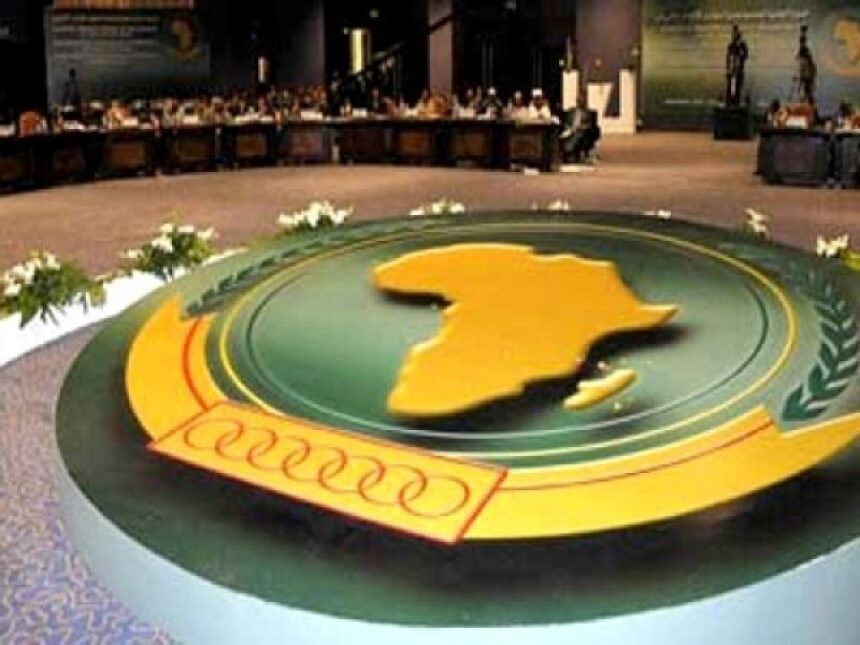
Report: Shaima Hassan Ali
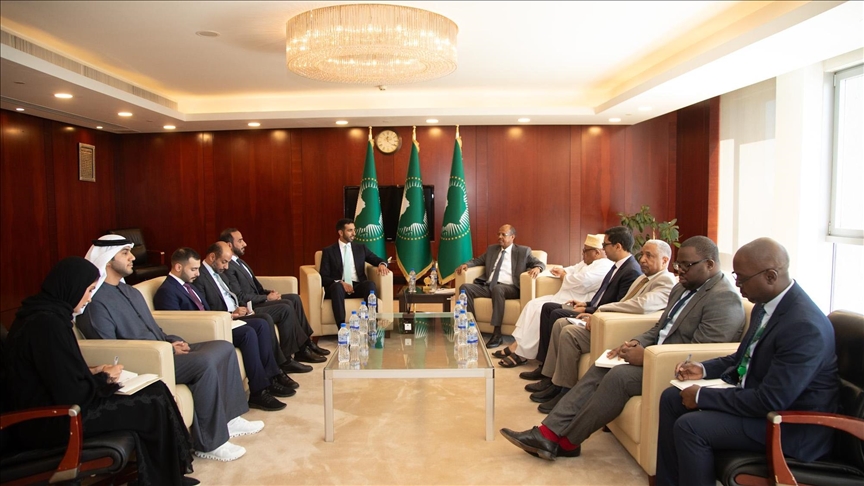
It seems that the neutrality that the African Union is supposed to enjoy is at stake, as the African Union Commission and the United Arab Emirates issued a statement supporting regional and international efforts to stop the Sudanese war and establish a humanitarian truce. According to the joint statement by the Chairman of the Commission, Mahmoud Ali Youssef, and the Emirati Minister of State, Shakhbut bin Zayed, last December, the statement stressed the necessity of stopping the war, establishing a truce, introducing aid, and holding people accountable. officials, and unify efforts to establish a national unity government.
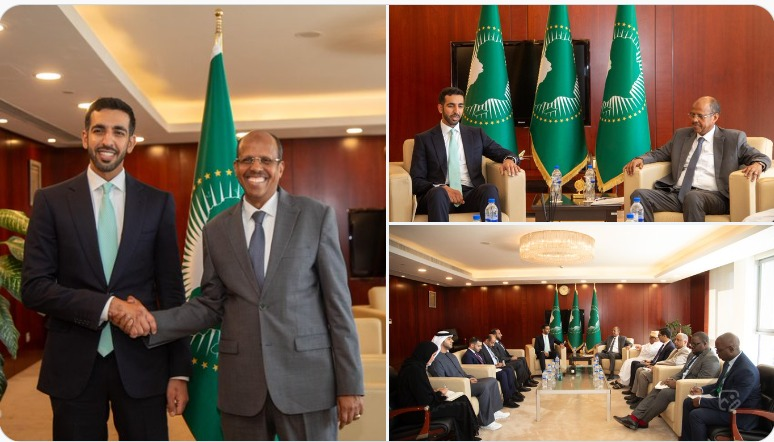
On the other hand, the statement sparked mixed reactions, ranging from the rejection of the statement by the Sudanese Ministry of Foreign Affairs, because the statement was issued with the participation of the UAE, which the Sudanese government considers its enemy with its support for the Rapid Support Forces, and between political forces that considered the statement a step on the right path, and between political forces that rejected this statement, and among these forces is the National Umma Party, as the party issued on January 6 a statement with the topic “Concern and objection to the statement of the Chairman of the African Union Commission and his bias towards one of the parties to the war in Sudan,” refuting the reasons for it. Civil society sectors and the party itself object to “Mohamed Youssef’s” position, which will be discussed as follows:
First: The African Union and the suspension of Sudan’s membership
As soon as the joint statement (the Commission and the UAE) was issued, the various Sudanese forces dealt with it, as the text of the statement was prepared by some in departure from the position of the African Union itself. The latter, since the coup of October 25, 2021, suspended Sudan’s membership in the union, and did not recognize any government in Sudan. The union renewed its refusal to restore membership during the negotiations in February 2025, and it set conditions for resuming the restoration of membership, through the formation of a legitimate civilian government, and a return to restoring the path. The constitutional process is in accordance with an agreed-upon road map. In fact, the Union has taken these measures against other countries such as Mali, Burkina, and Niger. This is a measure that is implemented as soon as the constitutional path is violated, with the aim of undermining military coups and establishing democratic principles.
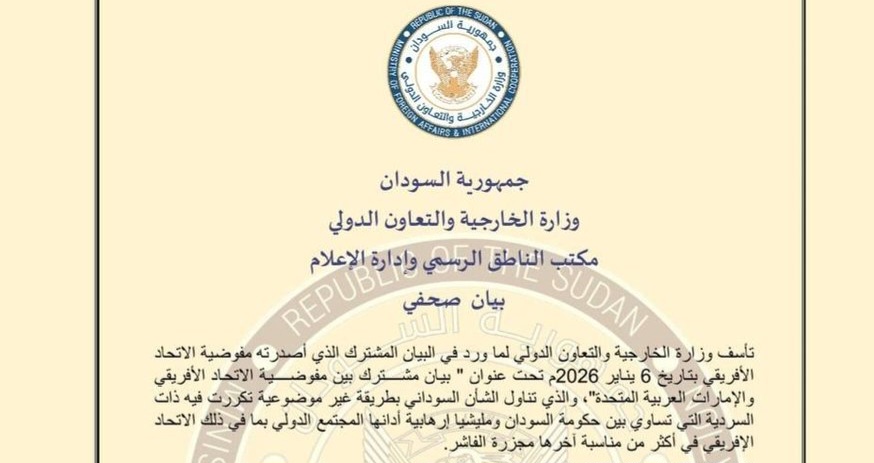
Second: The Sudanese Foreign Ministry and its condemnation of the Commission’s statement
The Sudanese Foreign Ministry expressed its regret at what was stated in the joint statement issued by the African Union Commission, by dealing with the Sudanese issue in a non-objective manner, by equating it as a transitional government with the terrorist Rapid Support militia. The Foreign Ministry also criticized the Commission’s position calling for an unconditional humanitarian truce, despite the Sudanese government’s position based on the “Sudan Peace” initiative announced on December 22, 2025. The Foreign Ministry concluded its statement that any initiative that equates it with the Rapid Support will not be dealt with by the government. Sudanese.
Third: The position of the National Umma Party and civil society
The statement of the party and civil society forces refuted the reasons for its rejection of the joint statement of the African Union Commission and the UAE, by recalling that the position of the Commission categorically contradicts the position of the African Union, as the statement recognizes the “Port Sudan” government as a transitional government, and in a way that gives legitimacy to it, which is considered an undermining of the principle of neutrality that must be characterized by any mediator in light of the raging war. Add to this the contradiction that the Commission fell into, as it seemed to contradict the international and regional consensus to agree through the Quartet Mechanism initiative. The civilian forces also considered that the statement as issued excludes the civilian voice, the most prominent victim of the conflict between the military, and therefore any peace initiative from any of its parties lacks credibility, especially in light of the omission and exclusion of the democratic civilian forces - any initiative by the parties to the war is doomed to failure, and will reproduce the political crises that brought Sudan to the catastrophe of the current war. Finally, the statement concluded with several demands, most notably (addressing the contradiction between the well-known institutional position of the African Union, and the clear commitment to neutrality and independence on the part of all African Union officials towards the parties to the war, ensuring effective coordination with the Quartet Mechanism Initiative and the regional and international tracks and supporting efforts to unify them, instead of creating conflicting paths, and finally ensuring the presence of clear accountability within the African Union Commission to ensure that individual positions that conflict with the governing principles and collective decisions of the African Union institution as a whole are not repeated.
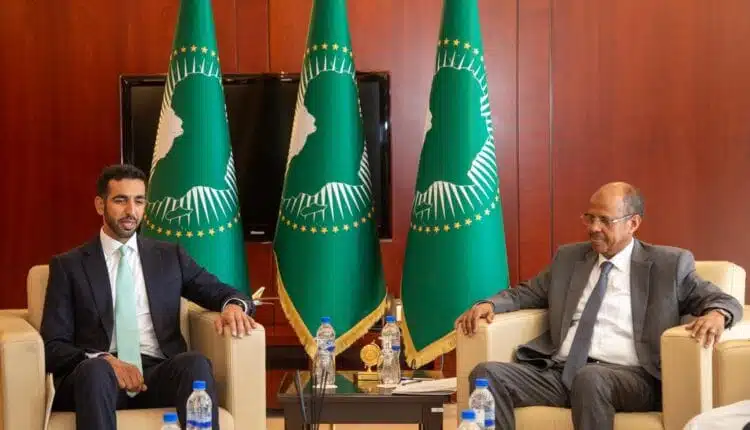
Fourth: Calculations of regional interests behind the Emirati move towards Sudan
In fact, it cannot be considered that humanitarian motives were exclusively behind the Emirati move, as much as this position hides a lot of pragmatism. What prompts Abu Dhabi, a state that is not essentially a member of the African Union, to push for the necessity of a humanitarian truce at a time when the Sudanese army is making tactical gains, and at a time when its ally is under military pressure, with increasing accusations about the continued support for rapid support? In any case, it is understandable that the UAE is issuing a joint statement with the African Union Commission regarding Sudan as part of its effort to restore... Political positioning within a very sensitive and complex file, ensuring an effective Emirati presence in any upcoming political settlement, and balancing Saudi-American influence in managing the Sudanese crisis. Therefore, this step falls within the calculations of regional interests to the extent that it intersects with the discourse of ending the war and establishing a humanitarian truce.
In conclusion, it can be said that the controversy raised by the joint statement of the Chairman of the African Union Commission with the UAE reflects the depth of the complexity surrounding the Sudanese file, and the sensitivity of any initiative related to stopping the ongoing war. The objection of the National Umma Party and civil society forces came from legitimate concerns related to the absence of neutrality, and the contradiction of the statement with the institutional position of the African Union based on suspending Sudan’s membership and not recognizing any authority resulting from an unconstitutional path. This objection also reflected a real fear of conferring political legitimacy on one of the parties to the conflict, thus undermining the chances of reaching a comprehensive and sustainable settlement. On the other hand, this debate reveals a deeper crisis related to regional mediation mechanisms, the limits of their roles, and the necessity of involving democratic civil forces as the original actor and expression of the aspirations of the Sudanese people. Therefore, any peace path that is not based on complete neutrality, and does not put ending the war and addressing the roots of the political crisis at the top of its priorities, will remain vulnerable to failure and reproducing the spiral of conflict for which the Sudanese people alone will pay the price.
It can be understood that the UAE issued a joint statement with the African Union Commission regarding Sudan as part of its effort to reposition itself politically within a very sensitive and complex file. The statement does not express an abstract humanitarian motive, as much as it reflects an attempt to gain regional legitimacy, relieve pressures associated with accusations of bias towards one of the parties to the conflict, and transform the Emirati role from a controversial party to a partner in peace efforts. This move also aims to ensure an effective Emirati presence in any upcoming political settlement, and to balance Saudi-American influence in managing the Sudanese crisis, taking advantage of the fragility of the African Union’s institutional position and the divergent positions of its agencies. Accordingly, this step falls within the calculations of regional interests to the extent that it intersects with the discourse of ending the war and establishing a humanitarian truce.