
Shaima Hassan Ali, a researcher specializing in African affairs
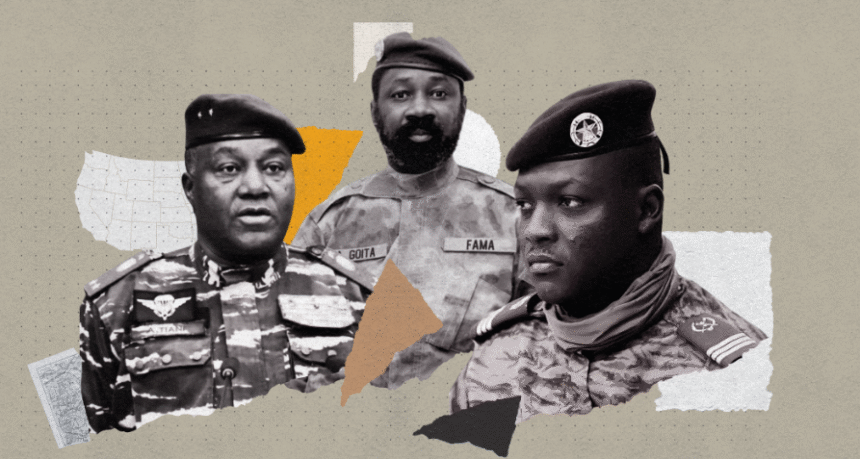
As soon as the military operation in Venezuela that resulted in the kidnapping of Venezuelan President Nicolas Maduro was announced, the Alliance of Sahel States (AES) (Niger, Mali, Burkina Faso) issued a statement in which it clarified its position on the operation, describing the operation as an armed attack, stressing that the use of armed force against the sovereignty, territorial integrity, or political independence of another state is an unacceptable interference in internal affairs, and constitutes an act of aggression.
The Alliance of Sahel States also condemned the unilateral use of force by the United States, a permanent member of the Security Council, and the resulting weakening of the international order, which in turn affects global stability. The statement concluded with the commitment of the countries of the Union to a global order based on respect, sovereign equality between states, and strict adherence to the principles of the United Nations Charter. Emphasizing the Security Council’s call to clearly condemn the American military action and work to restore international law. The paper seeks to analyze the position of the Sahel countries regarding the events in Venezuela as follows:
First: The concept of sovereignty in international law and the United Nations
Sovereignty is generally defined as “the supreme and absolute authority of the state in exercising its jurisdiction within its territory, and the independence of its will in its external relations, without submission to a higher authority.” Sovereignty in the internal dimension means “the state’s monopoly on the use of force within its territory, its control over governance institutions, and the absence of an authority that competes with it internally,” which means that any attempt to overthrow the regime, kidnap a head of state, or support armed groups is considered a violation of sovereignty, while in the external dimension it means The independence of the state from any external dictates, and legal equality between states, and this is directly linked to the principle of “sovereign equality between states” in accordance with the Charter of the United Nations.
According to the Charter, Article One, Paragraph (2), calls for respect for “the principle of equal rights and the right of peoples to self-determination,” meaning that accusing the United States of rigging elections or talking about the legitimacy or illegitimacy of the ruling regime is not permissible. Article Two, Paragraph (4) of the Charter prohibits the threat or use of force, and calls on all member states to respect the sovereignty, territorial integrity, and political independence of other states. According to the text of the article, “Members of the Commission shall refrain, in their international relations, from threatening to use force.” “Force or its use against the territorial integrity or political independence of any State, or in any other manner inconsistent with the purposes of the United Nations,” and paragraph seven adds that “nothing contained in this Charter shall authorize the United Nations to intervene in matters that essentially fall within the internal jurisdiction of any State, or oblige Member States to submit such matters for settlement in accordance with this Charter.” The Charter prohibits the United Nations from interfering in the judicial jurisdiction of any country, since the judicial authority is the one that decides disputes, supervises the electoral system, and gives constitutional legitimacy. Thus, it is clear that the United Nations Charter respects the principle of sovereignty and equality between countries, large or small, and the right of peoples to self-determination, whether this agrees with the interests of major countries or not.
Second: The implications of describing the operation as an armed attack
في الواقع، وصف البيان العملية الأمريكية بأنها “هجوم مسلح” ، و يعني هذا في القانون الدولي بأنه هو أعلى استخدام للقوة يمكن أن يحدث من دولة عظمي ضد دول من دول العالم النامي، أي أن بيان الاتحاد لا يعتبر العملية ضد رئيس فنزويلا حادث أمني أو عملية خاصة، او حتى عملية أمنية بمساعدة المؤسسة العسكرية كما أكد عليها “ترامب” نفسه ، فالواقع أن تأكيد الأخير جاء لتبريريها داخلياً، ومخاطبة الشعب الأمريكي بأن ما حدث لدواعي الأمن القومي الأمريكي كما أنه يتماشى مع القانون الأمريكي، والذي يجيز تدخل المؤسسة العسكرية لمساعدة سلطات إنفاذ القانون ضمن تدابير “المساعدة العسكرية للسلطات المدنية Military Aid for Civil Authority”” وهو ما أكدت علية تصريحات الرئيس الأمريكي ، خاصة أن العملية بعيده عن تفويض الكونجرس، أو تدابير الأمم المتحدة ومجلس الأمن، وعلى أي حال، توصيف العملية بأنها “هجوم مسلح” ، يعني أنها عملية عدوانية تمس استقلال الدولة وسلامتها الإقليمية، وبالتالي فهو يجيز للدولة المتضررة “حق الدفاع الشرعي عن النفس”، فحتى لو لم تعلن الدولة نفسها عن ذلك، فأن حقها مكفول بموجب المادة 51 من ميثاق الأمم المتحدة، والتي تنص على الآتي “ليس في هذا الميثاق ما يضعف أو ينتقص الحق الطبيعي للدول، فرادى أو جماعات، في الدفاع عن أنفسها إذا اعتدت قوة مسلحة على أحد أعضاء الأمم المتحدة، وذلك إلى أن يتخذ مجلس الأمن التدابير اللازمة لحفظ السلم والأمن الدولي”. ويجب على الأعضاء الذين يستعملون هذا الحق أن يبلغوا مجلس الأمن فورًا بالإجراءات التي اتخذوها، ولا تؤثر هذه الإجراءات بحال على السلطة والمسؤولية القائمة لمجلس الأمن بمقتضى هذا الميثاق في أن يتخذ في أي وقت ما يرى أنه ضروري لحفظ السلم والأمن الدولي أو إعادته إلى نصابه”، وفقاً لهذه المادة يمكن فهم دعوة البيان لمجلس الأمن، إلى الاضطلاع بمهمته بموجب الميثاق، من خلال إدانة العمل العسكري الأمريكي بشكل واضح والعمل على استعادة القانون الدولي. وهنا أيضا يمكن فهم تأكيد البيان على ضرورةاحترام قواعد للقانون الدولي من أجل ضمان الأمن الجماعي والسلام الدولي.
Third: The motivations of the Sahel countries to respond to the operation in Venezuela
The statement of the Alliance of Sahel States was driven by the obsession with sovereignty, territorial integrity, and opposition to Western hegemony. The coalition itself is one of the most recent political and military alliances that were formed after the military establishment’s control and acquisition of power, and after the unconstitutional change that produced military regimes that control power, a measure according to which the African Union suspended the membership of Mali, Niger, and Burkina Faso, which entailed the withdrawal of these countries from the “ECOWAS” alliance, the formation of the Sahel States Alliance, the consolidation of political, military and economic relations, and even the establishment of military forces to intervene. In the event of facing any threats to the current regimes, especially since Nigerian President Bola Tenembu had threatened military intervention to restore the constitutional path, this provoked the leaders of the Sahel countries, and despite stopping this step, the Sahel countries faced what is known as a state of siege as they are landlocked countries, and a state of severing relations with their neighbours. This is in addition to the increase in terrorist threats exacerbated by the presence of organizations affiliated with ISIS and Al-Qaeda. In effect, the Group to Support Islam and Muslims imposed a siege on the capital, Mali, while reaching the lands that... The group in Burkina Faso controls 40% of the country's area, and Niger suffers from Boko Haram terrorism in the Diffa region and ISIS terrorism in the Sahel.
The Sahel countries are also suffering from a widespread movement of rebellions, with ethnic and economic motives that they have not been able to resolve, which ultimately resulted in the continuation of military coups against the leaders of the countries, the most recent of which was the coup attempt against President Ibrahim Traoré in Burkina Faso yesterday. On the other hand, the new military regimes are considered to be hostile to the Western colonial powers of France and the United States. Since their arrival to power, driven by Russian and Chinese support in the military and economic aspects, talk has increased about undermining Western influence and the withdrawal of the United States. United States from Niger and handed over its largest military bases to the Nigerien authorities, and implicitly to the Russian military.
By compiling the final picture in a panoramic frame, what brings Venezuela and the Union of Sahel States together is a number of things that explain the intensity in the last statement. Preserving sovereignty and territorial integrity and opposing the Western presence constitute fundamental motivations for them to issue this statement, especially if we know of President Maduro’s own support for the countries of the tripartite alliance and his reception of the Foreign Minister of Mali last August, and the description of what happened to President Maduro through the statement of the Sahel countries as an armed attack and an act contrary to the principles of the United Nations, which is his response. An expected action in the event that the Sahel countries are exposed to any similar incident, whether this is directly from Western powers, or even from countries opposed to this alliance. That is, the phrases and terminology used in the statement express the political position of these countries in the event that they are exposed to a similar incident.
The bottom line is that the coalition of Sahel countries expressed its solidarity with the people, Venezuela, and the president who opposes Western hegemony, and that the terms used reflected the political position of these countries, which indicates the expectation of their reaction if these countries were subjected to a hostile act. In any case, what happened is a violation of the principles of international law and the United Nations Charter, which some consider to be a destruction of the principles of the post-World War II world order. What confirms this is the statements of the American president himself, who recently said, “I do not need international law, my morals are the guarantee.” “The only one.” What is certain is that Trump, with his right-wing tendencies, does not recognize international organizations, the principles of international law, alliance politics, or any of the rules of liberalism. But even his alleged “morals,” which are now being distorted by the “Epstein” files, are not considered a guarantee. What moral guarantee is the American president talking about?