

The Central African Republic is facing a severe crisis in the electricity sector, as only 8% of the population has access to energy, which is one of the lowest rates in the world, which reflects negatively on the local economy and places great pressure on small companies that depend on electricity for their daily activities.
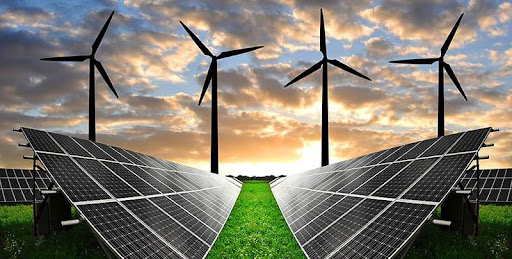
The government, with support from international partners such as the World Bank and the African Development Bank, announced a comprehensive plan to reform energy infrastructure, which includes rehabilitating hydroelectric power plants, expanding the national electricity grid, and investing in solar energy solutions.
In late 2023, a new solar station with a capacity of 25 megawatts was opened in the village of Danzi near Bangui, linked to an electrical storage system with a capacity of 30 megawatts per hour to enhance national production, but the tangible results took longer than expected, according to the vision of experts and beneficiaries.
Dia Abazin Portia, head of the Federation of Women Entrepreneurs, said that generators helped continue training and activities, noting that some companies doubled their production of juice from 150 bottles per day last year to more than 420 bottles per day this year.
For their part, the authorities confirm that the ongoing reforms will contribute to the stability of the energy sector, while citizens and business owners await the translation of these efforts into reliable electricity that will put an end to recurring outages and open new horizons for economic growth.