
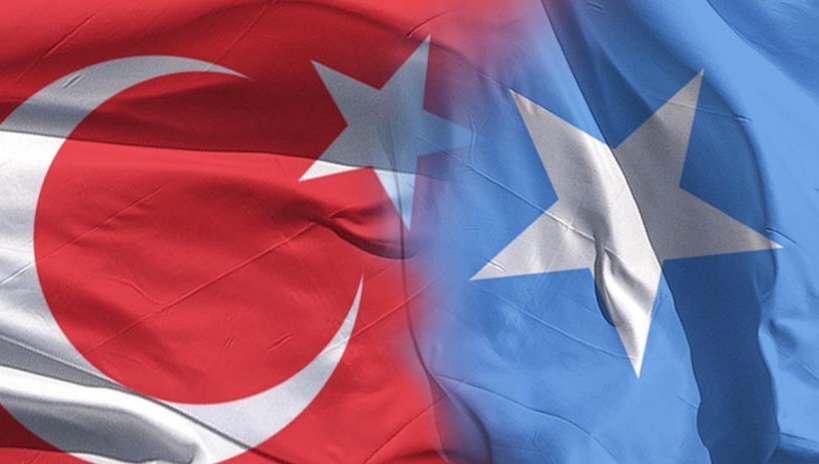
The Turkish role in Somalia...the strategic dimensions of establishing a space port in light of regional transformations
Shaima Hassan Ali
A researcher specializing in African affairs
Since the Justice and Development Party came to power in 2002, Ankara has sought to develop its relationship with the African continent, and African-Turkish relations have gone through several stages, and Turkish involvement was not of this magnitude in previous governments, as Turkey, under the leadership of President Erdogan, developed a vision based on strengthening Afro-Eurasian relations, and then strengthening relations with the countries of the continent, and within a few years Turkey was able to raise its economic cooperation from millions of dollars to billions of dollars, approximately 6 billion dollars, in addition to the export of weapons. Turkey, and proving its effectiveness in conflicts such as the “Tigray” war and the war in Sudan, and providing the advantage of training and technical support for the supplied weapons. On the other hand, Somalia has become a base for the Turkish launch on the continent, especially in the Horn of Africa region. This presence has emerged in the wake of attempts at stability and international and regional support for the attempt to rebuild and rebuild and confront the terrorism of the Al-Shabaab movement, which is classified as a terrorist organization. Since the development of events in the Horn of Africa, and Israel’s recognition of the “Somaliland” region as a state, it has developed Turkey has responded to separatist projects. Ankara has directly announced oil exploration within Somali territorial waters and the establishment of a Turkish space station. The paper seeks to analyze the Turkish role in Somalia after recent developments as follows:
First: The Turkish strategy in the Horn of Africa. The strategic importance that the Horn of Africa enjoys is no secret, from advantages such as the geographical location with political and economic dimensions. This location overlooks the most important sea lanes such as the southern Red Sea, the Bab al-Mandab Strait, and the Indian Ocean, and control of approximately 14% of the volume of global trade and control of energy pathways. This importance and status make the region located at the heart of international and regional conflict. In this context, Turkey has emerged as a major supporter of the growth of this region and enhancing its stability, through thoughtful strategies aimed at expanding its role. On the African continent in general, and in the Horn of Africa in particular, and in any case, the Turkish presence in the heart of the Horn of Africa has economic, military and political dimensions, and in this it depends on smart power ranging from reliance on soft power (culture, humanitarian aid, development aid), and economic power (investment in infrastructure, reconstruction) and military power “through the provision of technical support, training, armament, and arms sales, as defense industries represent the backbone of Turkish influence on the African continent, especially the Horn region. The African.
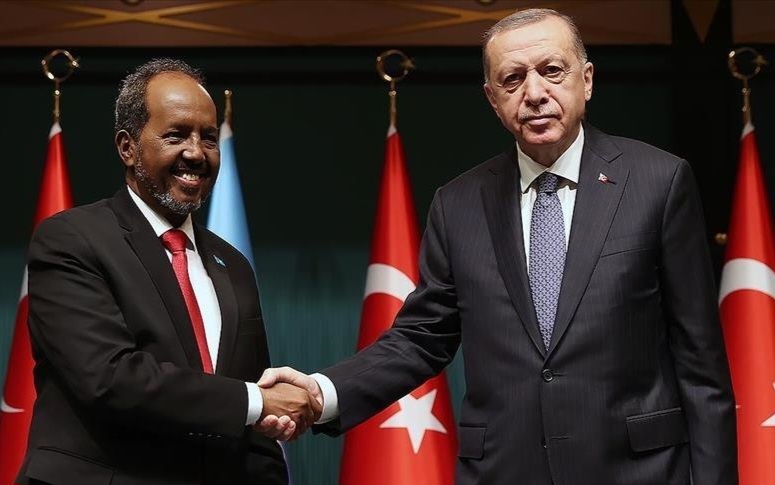
ثانياً: العلاقات التركية الصومالية تطورت العلاقات التركية الصومالية وتعززت بفضل زيارات الرئيس التركي منذ عام 2011وهي الزيارة الأولى التي جاءت ضمن الجهود الإنسانية التي تقوم بها تركيا لدعم الصومال، ويعد هذا العام محوري في العلاقات بين البلدين حيث تم افتتاح السفارة التركية بعد انقطاع دام عقد من الزمان، وفي عام 2015جاءت الزيارة الثانية مدعومة بخطط استثمارية في البنى التحتية والاستثمارات الاقتصادية واتفاقات دفاعية وعسكرية، وخلال عام 2017 افتتحت تركيا في “مقديشو” أكبر قاعدة تدريب عسكرية تركية خارج تركيا؛ للمساعدة في تدريب القوات الصومالية، وبسبب سعة هذه القاعدة فإنه يُمكنها تدريب ما يصل إلى 1500 جندي في الدورة التدريبية الواحدةوفي يناير 2024 جاءت زيارة الرئيس “اردوغان” للإعلان عن رفع مستوى العلاقات بين الدولتين لمستوى الشراكة الاستراتيجية، وهو ما يعني وصول العلاقات الى مجالات مهمة واستراتيجية تطال بشكل استراتيجي مجالي الطاقة والدفاع والمعادن، ومواجه التهديدات الأمنية الحرجية مثل القرصنة والتمرد الإرهابي، إي الانتقال من العلاقات الدبلوماسية والاقتصادية والإنسانية إلي توقيع اتفاقيات تعاون دفاعي وأمني، خاصة وأن هناك قاعدة عسكرية تركية موجودة بالفعل، وصفَ بعض المراقبين هذه الاتفاقية بأنها استثنائية وغير مسبوقة لتركيا مع أيّ دولة، وجاءت مُوسَّعة بشكلٍ يُعطي تركيا نفوذًا عسكريًّا شبه كامل على الصومال، برًّا وبحرًا وجوًّا، ويرى بعض المتخصصين ، أن الهشاشة والضعف البنيوي التي تعاني منه “مقديشو” قد دفعت “أنقرة” لاختيارها كنقطة انطلاق للنفوذ التركي في القرن الإفريقي، خاصة وأن تركيا بقيادة حزب العدالة والتنمية تريد أن يعترف بها العالم كقوى متوسطة ذات نفوذ وتعمل لحماية مصالحها في منطقة استراتيجية كالقرن الإفريقي.
This was clearly demonstrated in the wake of the escalating disputes between “Mogadishu” and “Addis Ababa” after the latter signed an agreement requiring an Ethiopian presence in the ports of “Somaliland.” What “Mogadishu” considered to be an infringement on its sovereignty and an attempt to fragment and divide its unity. In the wake of that, “Mogadishu” demanded the withdrawal of the Ethiopian forces present within the United Nations mission in Somalia, and in fact, “Erdogan” succeeded in mediating between them. The Somali and Ethiopian sides and mending the rift in the already fragile relations between the two parties.
ثالثا: الاستجابة التركية بعد الاعتراف الإسرائيلي بأرض الصومال بمجرد الإعلان عن الخطوة الإسرائيلية في ديسمبر الماضي، تحركت “تركيا” لدعم الحليفة الصومالية الحفاظ على وحدتها وسلامة أراضيها، كما أعلنت عن نيتها التنقيب عن النفط في المياه الإقليمية الصومالية وإرسال السفينة “كاجري بي” للسواحل الصومالية في فبراير المقبل، وفق الاتفاق الدفاعي والأمني الموقع في يناير 2024، حيث أعلن الرئيس الصومالي “حسن شيخ محمود” أن وقال الرئيس الصومالي حسن شيخ محمود”إن الاتفاقية تهدف إلى إنشاء قوة عسكرية مشتركة بين البلدين، وإن هذه القوة ستحمي سواحل الصومال ومياهه الإقليمية، وستستثمر في موارد الصومال البحرية لمدة عشر سنوات، هذه القوات المشتركة ستعمل فقط لمدة عشر سنوات، وبعد ذلك سيكون لدى الصومال قواته البحرية الخاصة التي ستتولى هذه المهمة”، كما تم الإعلان عن انشاء محطة فضاء تركية في الصومال، بحيث تداولت الصحف التركية أنباء إنهاء أعمال دراسات الجدوى والتصاميم الخاصة بالمشروع، وأن التنفيذ الفعلي للمحطة قد بدأ فعلاً، وهنا يمكن طرح السؤال، لماذا الآن ، وما دلالات هذا الإعلان؟ في الواقع، تسعى تركيا لتعزيز برنامجها الفضائي وبدون الاعتماد على المصادر الأجنبية ( الغرب، الشرق)، ووفقاً لوزير الصناعة التركي” محمد فاتح كاسير” خلال حديثة مع وكالة “الإناضول: “فإن امتلاك ميناء فضائي سيكون خطوة استراتيجية تضع تركيا كفاعل مستقل وتنافسي وذو تأثير عالمي في الأنشطة الفضائية”، وأضاف “أن الاستثمار سيحقق مكاسب طويلة الأجل لاقتصاد الفضاء، وسيمكن من إطلاق مركبات إطلاق الأقمار الصناعية المطورة محلياً بشكل مستقل تماماً، وسيساعد في إنشاء نظام بيئي صناعي مستدام في تقنيات الإطلاق”، وتتطلع تركيا لأن يصبح ميناء الفضاء “سوق الفضاء التجاري العالمي”.
Fourth: Timing and its implications. The announcement of the establishment of the space port came on December 31, as well as the announcement of exploration for energy sources (oil, gas), and the sending of Turkish exploration ships at the beginning of this January, as if “Ankara” was responding to the steps that support the separatist entities in Somalia, strengthen the Somali state and protect its sovereignty, territorial integrity and wealth as well. In fact, the geopolitical competition may seem clear, especially after the Israeli support for the “Earth” region. “Somalia,” this support includes other regional powers such as Ethiopia, which aspires to reach the waters of the Red Sea and get rid of its total dependence on “Djibouti,” or even Gulf powers such as “the Emirates,” which hastened to extract facilities for the citizens of “Somaliland” to enter its lands. As some international reports say, the latter is leading efforts to push African countries to recognize the new entity. This position, which intensifies competition between regional powers, threatens the stability of the already fragile region, which is characterized by the spread of Armed, insurgent and terrorist movements.
Despite the growing Turkish influence, there are some challenges to this role, including the fragility of the Somali state itself, the presence of elements of weakness in the state structure, the presence of ungoverned areas with the control of terrorist and armed groups, the separatist tendency in the regions of Somalia in general, including also widespread corruption, and high rates of poverty and unemployment, and there is also geopolitical competition between different powers, and external intervention to support tribes against other tribes, and this does not prevent that there are some successes that it has achieved. “Türkiye” includes rebuilding the Somali military institution and raising its efficiency. However, the most prominent challenge is if the situation with Israel develops, and if the competition turns into a real conflict, then Turkish interests will be within the range of Israeli goals. Here we can talk about projects related to space, energy, or even the Turkish military presence itself. The targeting does not necessarily have to be direct, but it could be through agents on the ground, and what is happening in Sudan can be considered a living example, as the militias affiliated with the Rapid Support Forces target economic projects, infrastructure, and oil refineries. In general, it is clear that the Turkish trend towards establishing a space port in Somalia cannot be separated from the broader context of Turkey's strategy in the Horn of Africa, which is based on employing a combination of economic, military, and technical tools to enhance regional influence and protect strategic interests.
This project reflects a qualitative shift in the nature of the Turkish presence, from focusing on humanitarian support and reconstruction to engaging in areas of a sovereign and sensitive nature, such as security, space, and energy.