
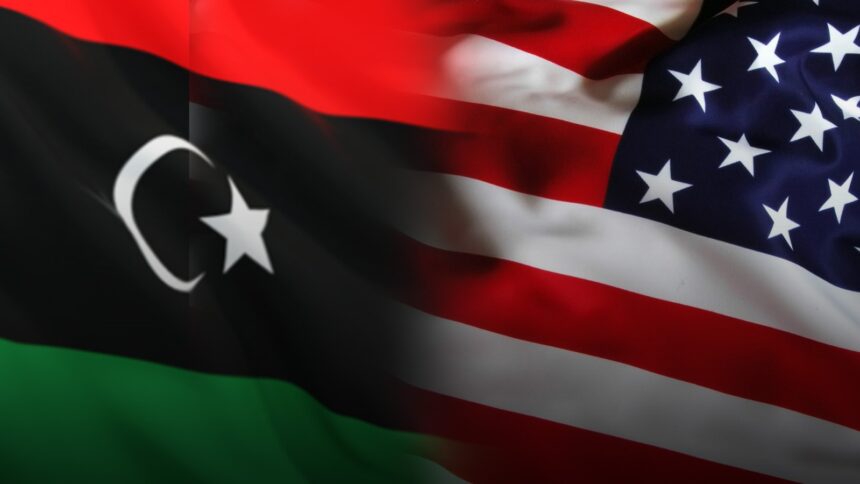
رصد المركز الليبي للدراسات الأمنية والعسكرية مؤشرات لما وصفه بـإعادة ضبط داخل وزارة الخارجية الأمريكية، في ظل تقارير عن استدعاءات وتدوير مبكر لعدد كبير من الدبلوماسيين المهنيين، وما قد يترتب على ذلك من فراغات قيادية تؤثر على استمرارية إدارة الملفات المعقدة.ويعرض التقرير روايتين متقابلتين الأولى رواية رسمية على خلفية يعتبرها المركز إجراءً اعتيادياً يتزامن مع انتقال الإدارات في واشنطن، بينما ترى رواية ثانية، نقلها المركز عن دبلوماسية أمريكية سابقة رفيعة المستوى على خلفية، أن هذه الخطوة غير نمطية وتحذّر من كلفة محتملة تمسّ الأمن القومي والاقتصادي الأمريكي، لا سيما في البعثات الدبلوماسية الصغيرة.
وفيما يخص السياق الليبي، يركّز التقرير على احتمال تقدّم الأدوات الأسرع داخل الدولة الأمريكية، وتحديداً الأمن والمال، على حساب الدبلوماسية المهنية، مستنداً إلى شواهد مسار أمني مُعلن، من بينها ارتباطات بتمرين Flintlock 2026 المزمع تنظيمه قرب مدينة سرت.ويضم التقرير إفادات خاصة للمركز من كلٍّ من كاميرون هدسون، وعبد الحميد صيام، ومحمد القبلاوي، إضافة إلى رد مكتوب من رابطة موظفي الخدمة الخارجية الأمريكية (AFSA) تلقاه المركز.ويختتم التقرير بطرح خارطة متابعة تمتد من 60 إلى 90 يوماً، تهدف إلى قياس اتجاه ومستوى الانخراط الأمريكي في ليبيا، عبر تحليل اللغة المستخدمة، والقنوات المعتمدة، والمؤشرات الأمنية والمالية