
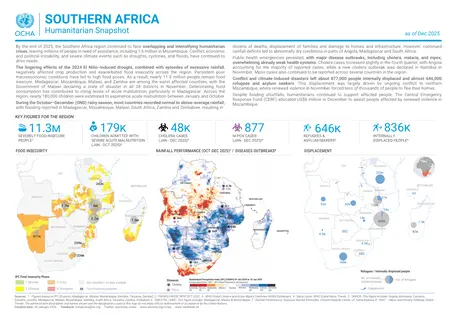
The United Nations Office for the Coordination of Humanitarian Affairs (OCHA) reported that the southern African region ended the year 2025 facing overlapping and worsening humanitarian crises, with millions of people in need of urgent assistance, including about 1.6 million in Mozambique.
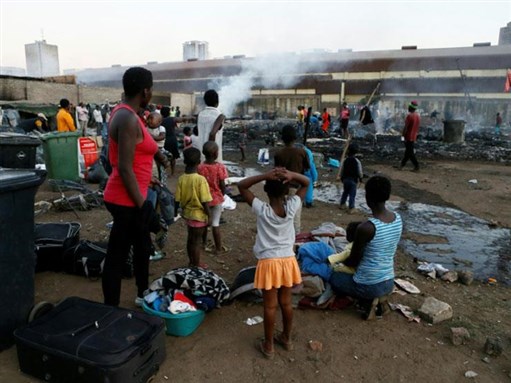
The report explained that the effects of the drought resulting from the 2024 El Niño phenomenon, along with heavy rains and floods, led to a decline in crop production and an increase in food prices, making about 11.3 million people suffering from food insecurity. The Malawi government declared a state of disaster in all 28 provinces last November, while acute malnutrition rates rose, especially in Madagascar, where it is estimated that 180,000 children were affected between January and October.
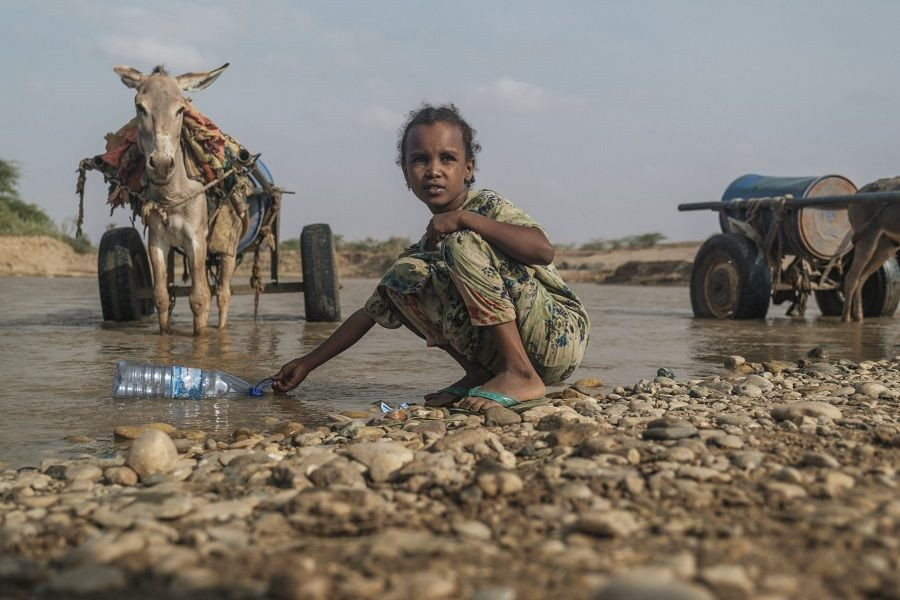
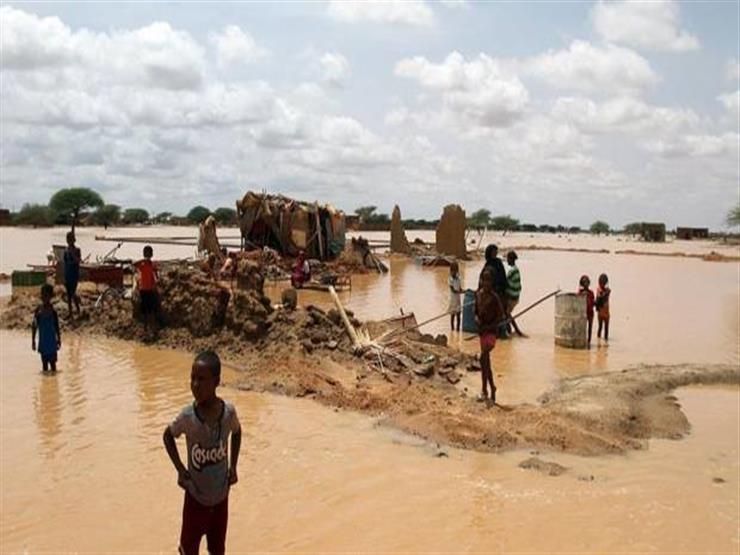
The rainy season (October–December) also witnessed floods in Madagascar, Mozambique, Malawi, South Africa, Zambia, and Zimbabwe, resulting in dozens of deaths and the displacement of thousands of families, while drought conditions continued in parts of Angola, Madagascar, and South Africa.
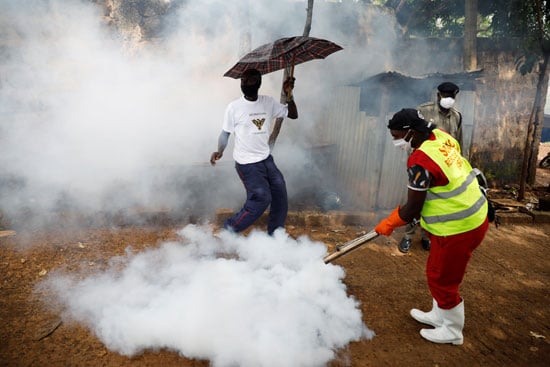
The report pointed to the continued outbreak of diseases such as cholera, malaria and monkeypox (mpox), which has burdened weak health systems. Angola recorded the most cholera cases, while Namibia reported a new outbreak in November.
According to OCHA, conflicts and climate disasters have caused the internal displacement of about 877,000 people, in addition to the presence of 646,000 refugees and asylum seekers in the region, most of them due to renewed violence in northern Mozambique. Despite funding gaps, humanitarian workers have continued to provide support, with the Central Emergency Fund (CERF) allocating US$6 million in December to help those affected by violence in Mozambique.