

Reported by Shaima Hassan Ali
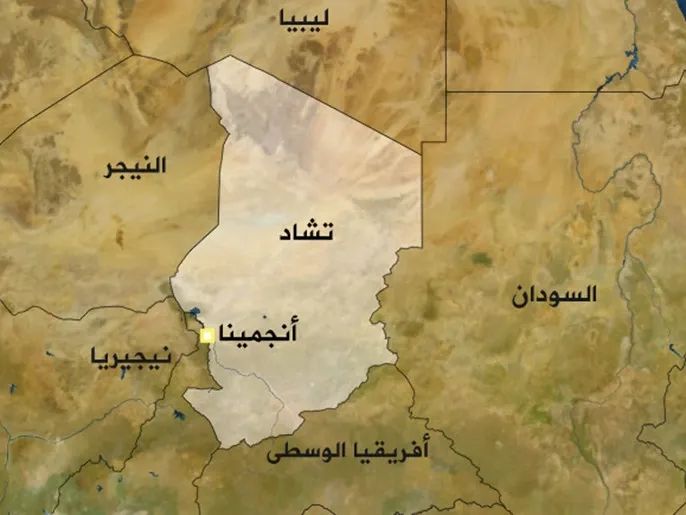
The war in Sudan since April 2023 has revealed the fragility of security arrangements in neighboring countries, especially Chad, which faces accumulated challenges resulting from the long history of armed groups and cross-border smuggling networks. Instead of being just a country affected by the conflict, Chad has become an active part of a broader regional system in which the arms trade, mercenaryism, and economies of violence are intertwined.

Despite the efforts made by the transitional authority following the killing of President Idriss Deby in 2021 to contain armed groups through the Doha Peace Agreement, the partial implementation of these arrangements prevented the actual structure of the rebellion from being dismantled. Several armed factions have maintained their combat structures and logistical networks, especially in the north of the country, which has produced a pattern of fragile stability based on containment rather than disarmament.
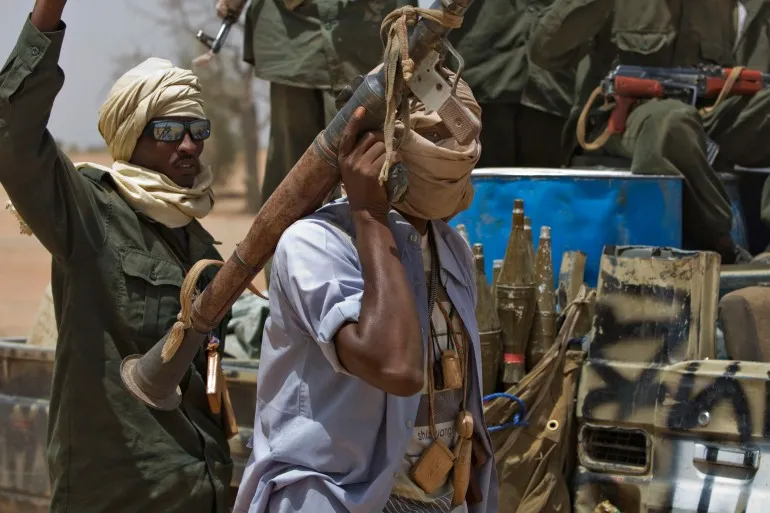
In this context, Chadian armed groups have transformed from rebellious movements with direct political demands into security-economic actors integrated into networks of arms smuggling, gold mining, and securing border corridors with Libya and Sudan. This shift enabled it to quickly reposition itself with the outbreak of war in Sudan, whether by transferring weapons or participating as mercenaries, which increased the risk of the violence rebounding into the Chadian interior.
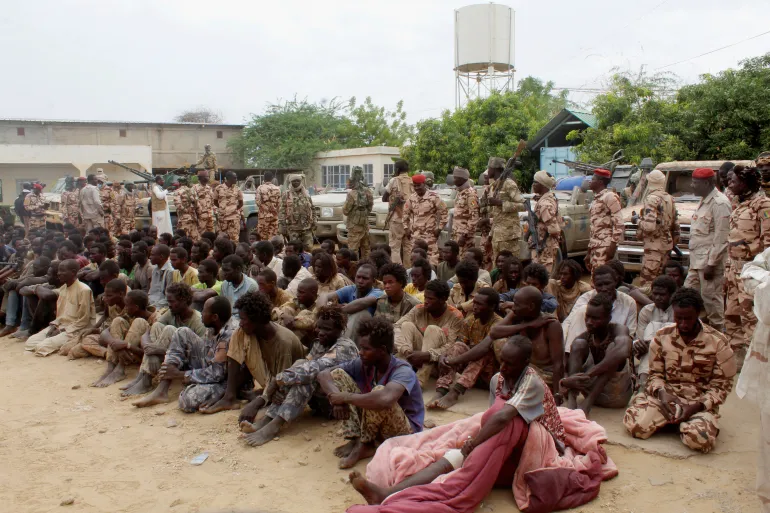
This report aims to analyze the dynamics of armed groups in Chad in light of these developments, focusing on the risks of sustained militarization, the internationalization of the insurgency, the erosion of state authority in peripheral regions, and their implications for national stability and regional security.
First: The Chadian context before the Sudan war
Between 2021 and the beginning of 2023, Chad witnessed a state of fragile stability following the killing of President Idriss Deby in April 2021. The country avoided a complete collapse, but that stability was based on a combination of political containment and security coercion. The transitional authority, led by Mohamed Idriss Deby, sought to neutralize armed groups through negotiations that ended with the signing of the Doha Peace Agreement in 2022, which aimed to integrate prominent rebel factions such as:
Front for Alternation and Harmony in Chad (FACT)
Union Forces for Democracy and Development (UFDD)
Military Command Council for the Salvation of the Republic (CCMSR)
However, implementation of the agreement was partial and uneven. Some factions rejected it completely, led by FACT, while other factions maintained their fighting structures, weapons, and cross-border networks, despite their formal participation in the political process. As a result, the insurgency infrastructure was not dismantled, but rather repositioned geographically and economically, especially in the north of the country.
Second: Northern Chad - Tibesti as an area of rebellion and mercenary mercenaries
The report highlights the Tibesti region in the far north of Chad as the beating heart of Chadian armed groups. The region is characterized by weak government oversight, its rugged mountainous nature, and its proximity to Libya and Sudan, making it an ideal haven for former rebels and mercenaries returning from Libya.
In this region, Chadian armed groups have transformed from traditional rebel factions into security and economic brokers. FACT, CCMSR and UFDD fighters have been engaged in:
Securing cross-border convoys
Mediation in the arms trade
Providing protection services
Managing informal crossing points
In doing so, these groups integrated into the local economy, especially the gold economy, rather than giving up weapons. Rebellion is no longer a purely political activity, but rather an organized source of livelihood, linking weapons, gold, and smuggling.
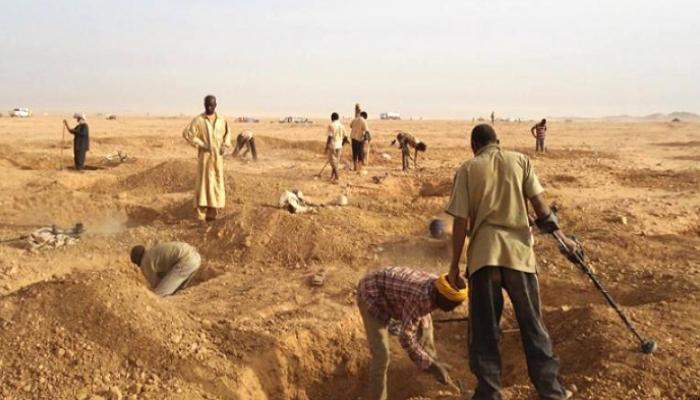
Third: Cory Bogodi - Gold as an economic support for armed groups
The Kouri Bogodi gold field is central to understanding the persistence of Chadian armed groups. Since 2021, rebel factions and former mercenaries have redeployed to this area, taking on roles ranging from:
Imposing royalties on miners
Providing armed protection
Facilitating arms flows in exchange for gold revenues
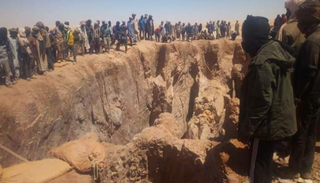
Gold has become an alternative currency to finance arms purchases and fighter recruitment, blurring the boundaries between economic activity and armed insurgency. This overlap has led to an escalation of violence, as demonstrated by the events of May 2022, when bloody clashes broke out in Kuri Bogodi between ethnic groups, claiming the lives of more than a hundred people, with evidence of the involvement of rebel elements.
Although the Chadian state intervened by temporarily closing the mine and then reopening it under official supervision, control remained hybrid: the state was nominally present, while armed groups continued to exercise actual authority on the ground.
Fourth: Chadian armed groups and the Libyan border
The report confirms that Chadian armed groups have maintained deep ties with southern Libya, with many of their fighters previously serving as mercenaries in the Libyan conflict. With the decline in demand for them after the Libyan ceasefire in 2020, they returned to Chad carrying:
Combat experience
Smuggling networks
Relations with Libyan and Sudanese mediators
Corridors such as Murzuq-Qatrun and Kure-Kilinji Mountains were used to transport weapons and fighters between Libya and Chad. Chadian groups maintained an active presence in these areas, taking advantage of weak Libyan control and the dependence of local forces on tribal mediators.
Fifth: The impact of the Sudanese war on Chadian armed groups
With the outbreak of war in Sudan, Chadian armed groups transformed from local actors into active regional actors. These groups have repurposed their old networks to participate in:
Transferring weapons to Sudan
Escorting supply convoys
Joining as mercenaries in the ranks of the Rapid Support Forces
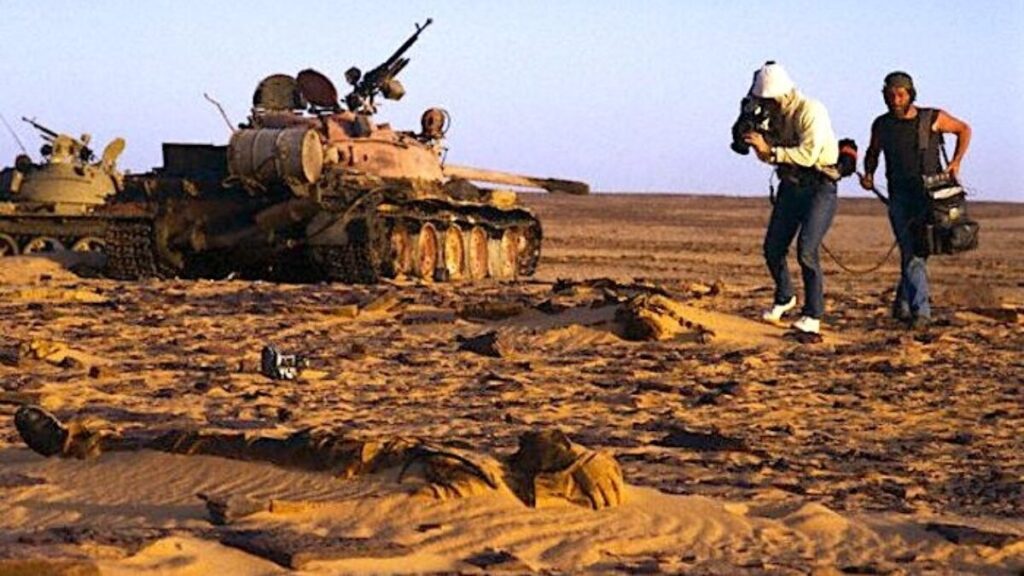
The report indicates that hundreds of Chadian fighters joined the war in Sudan primarily for material motives, rather than ideological reasons. Northern Chad, particularly Tibesti, also became a center for regrouping and recruitment, increasing the risk of violence spilling over into Chad.
Sixth: The risks facing Chad
There are several major risks to Chad's stability:
Sustained militarization: Armed groups have not been effectively disarmed.
Internationalization of the rebellion: through its connection to the Sudanese and Libyan wars.
Politicization of corridors: Control of smuggling routes has become a source of influence and conflict.
Erosion of state authority in the north, in favor of hybrid arrangements with armed groups.
conclusion
The report concludes that Chad represents a clear example of how armed groups have transformed from an internal threat into a regional node in arms and mercenary networks. Instead of peace agreements dismantling the insurgency, their fragility contributed to the recycling of armed groups within economies of gold, smuggling, and proxy war. As the conflict in Sudan continues, Chad remains at risk of this “fragile calm” sliding into a new round of organized violence.