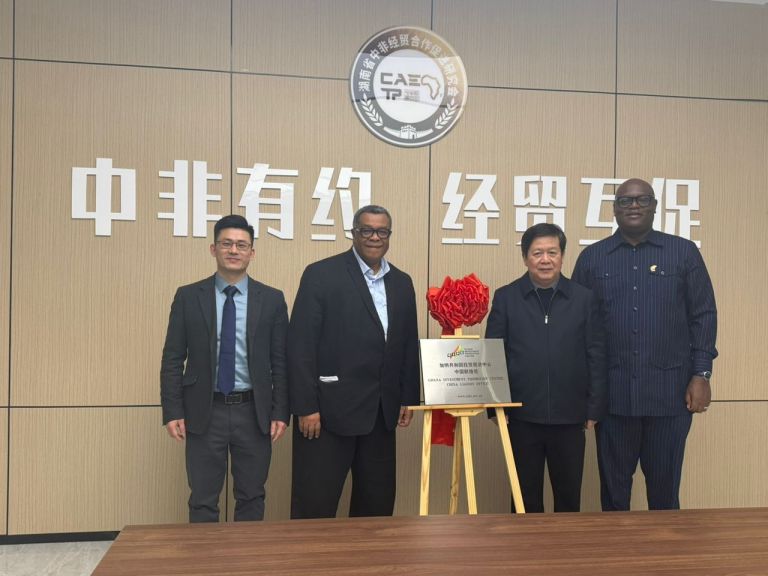

وقّع مركز ترويج الاستثمارات في غانا (GIPC) مذكرة تفاهم محورية مع مجلس الترويج الاقتصادي والتجاري لإفريقيا التابع للصين (CAETP)، إيذانًا بإطلاق برنامج مشروع التعاون الاقتصادي بين الصين وغانا.
ويُتوقَّع أن تسهم هذه الشراكة المؤسسية في تبسيط مسارات الاستثمار، وتعزيز الروابط بين الشركات الصينية ونظيراتها الغانية، وتسريع تنفيذ المشاريع القابلة للتمويل والمتماشية مع أهداف النمو الوطني.
وجرى توقيع الاتفاقية خلال المؤتمر الاقتصادي والتجاري الصيني-الغانـي، وبالتزامن مع افتتاح مكتب الاتصال الصيني الجديد التابع لـ GIPC، في خطوة جريئة تعكس نهجًا استباقيًا في جذب الاستثمارات.
وقادت هذه المبادرة أمانة اقتصاد الـ24 ساعة (24H+)، بإشراف المستشار الرئاسي أوغستوس تانوه، وبمشاركة مؤسسات محورية من بينها اللجنة الوطنية للتخطيط التنموي، ووزارات المالية، ومصايد الأسماك، والسياحة، إضافة إلى هيئة ترويج الصادرات الغانية (GEPA).
واستنادًا إلى زيارة الرئيس جون دراماني ماهاما إلى الصين العام الماضي، جمعت المهمة بين إبرام الصفقات وجولة دراسية، حيث جرى عرض مشاريع ممر فولتا الاقتصادي (VEC) بتفاصيل دقيقة أمام مستثمرين أبدوا اهتمامًا كبيرًا.
كما اطّلع الوفد على التجربة الصينية عن كثب، ودرس كيفية دمج القطاع العام ورأس المال الأجنبي والمؤسسات الصغيرة والمتوسطة المحلية، إلى جانب مواجهة التحديات البيئية عبر ابتكارات مثل أنظمة الري منخفضة التكلفة، والتقنيات الزراعية المعتمدة على الذكاء الاصطناعي، والطاقة المتجددة خارج الشبكات.
وقدّم المدير التنفيذي لـ GIPC، سايمون مادجي، عرضًا شاملاً لمزايا الاستثمار في غانا، والسياسات الواضحة، والحوافز، وتحسينات بيئة الأعمال، خاصة في مجالات البنية التحتية والصادرات. كما سلّط أمبروز نساركو من GEPA الضوء على بوابات التجارة والميزات التنافسية للأسواق.
ويمثل هذا الاتفاق دفعة قوية لبرنامج التحول الصناعي في غانا، مع التركيز على الاستثمارات التي يقودها القطاع الخاص، وسلاسل القيمة، وتوفير الوظائف الخضراء.
ومن خلال تكييف الاستراتيجيات الصينية، تسعى غانا إلى تحقيق تحول مستدام يرسّخ مكانتها كمركز جاذب للاستثمار في إفريقيا.
غانا توقع اتفاقًا مع الصين لتعزيز اقتصادها