

Written by: Shaima Hassan Ali
A researcher specializing in African affairs
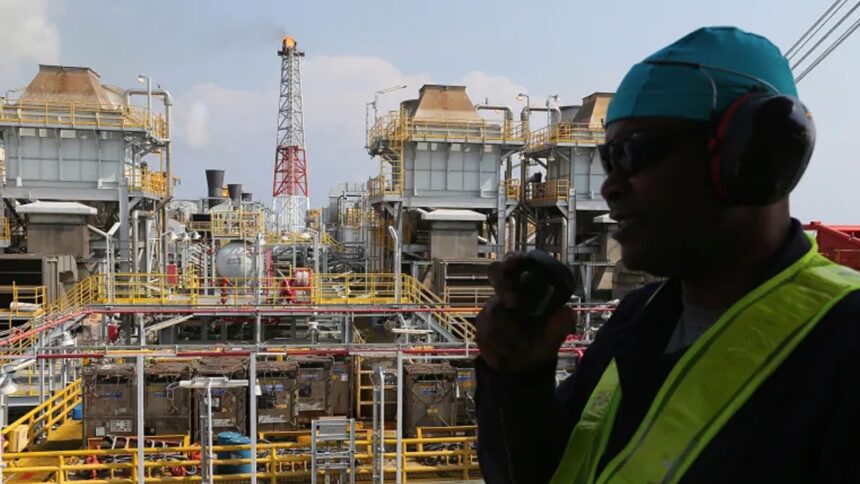
Nigeria is one of the largest oil producing countries in Africa, and possesses huge reserves that qualify it to play an influential role in the global energy market. Despite this, the state faces one of the most serious problems associated with the rentier economy, represented by the phenomenon of the theft and storage of oil (illegal fuel supply), which has transformed from limited individual practices into an organized activity involving local, national and international parties. This report aims to analyze the causes of this phenomenon, its various patterns, and its economic and security repercussions, while reviewing the efforts made to confront it.
General background of the phenomenon
Oil extraction activities in Nigeria are concentrated within the Niger Delta region located in the south of the country, which is a region rich in natural resources and ethnically diverse, but it suffers from political and economic marginalization, deterioration of basic services, and high rates of poverty and unemployment. Although this region produces the largest percentage of Nigerian oil, the revenues from this production do not reflect positively on the conditions of the local population, which contributed to creating a state of social discontent and provided an environment conducive to the spread of illegal activities, including oil theft.
Reasons for stealing and storing oil in Nigeria
There are several incentives that shaped the nature of the phenomenon of storing and stealing oil, as follows:
1. Conflict over sharing federal resources
The oil-producing states suffer from a continuous decline in the percentages of oil revenue allocation since independence, as these percentages shrank from 50% to only about 13% under the Fourth Republic. Local communities believe that this distribution is unfair and does not compensate them for the environmental and economic damage they suffered as a result of oil extraction activities.
2. The rentier nature of the Nigerian economy
The Nigerian economy depends almost entirely on oil revenues, which has led to the neglect of other productive sectors and poor overall development. This economic pattern also contributed to weakening the relationship between the state and society, as the government became less dependent on citizens and more linked to multinational companies.
3. The state’s alliance with multinational companies
The study shows that the state's alliance with oil companies is often done at the expense of local communities, by suppressing protests, ignoring environmental justice, and failing to adhere to social responsibility. This behavior has led to escalation of tensions, and some peaceful protests have turned into violence.
4. Corruption of political and military elites
Corruption is one of the central factors in the spread of the phenomenon, as political and military figures have been involved in protecting or benefiting from oil theft networks. The use of armed groups in local political conflicts also contributed to promoting the spread of weapons and violence.
5. Poverty, unemployment and destruction of livelihoods
Oil extraction activities have polluted agricultural lands and water bodies, destroying traditional sources of livelihood such as agriculture and fishing. With poverty and unemployment rates rising, many young people have resorted to stealing oil as a means of survival.
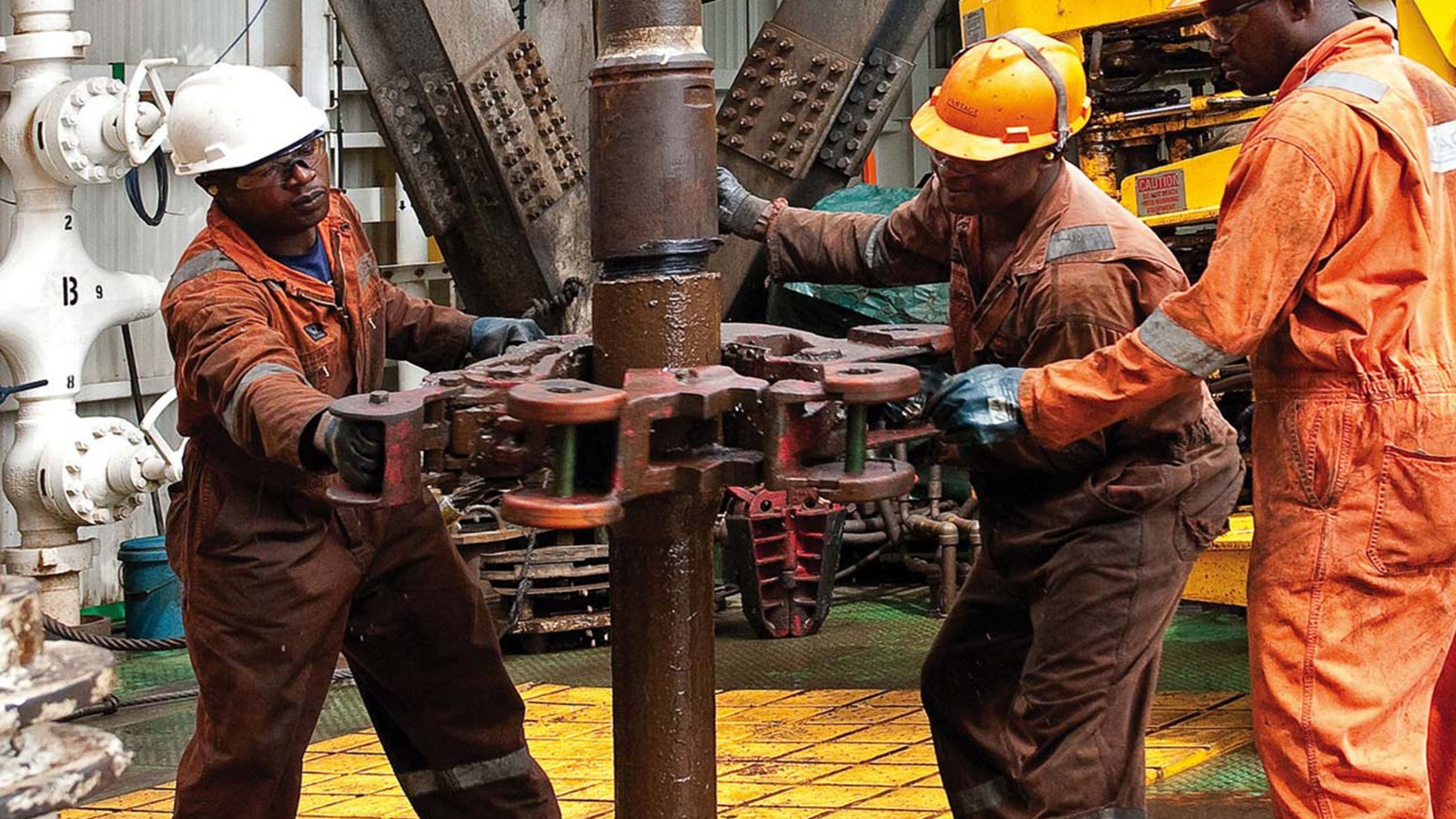
Patterns of oil theft and illegal refueling
A- Illegal local fuel supply
The stolen oil is refined in primitive ways for local use, leading to environmental disasters and frequent explosions.
B- Stealing oil from pipelines
It is the most dangerous type, as pipelines are punctured and oil is transported via boats and ships to regional and international markets.
C- Forgery of shipping documents
It relates to tampering with official oil transportation documents, and often involves parties from within oil companies and government agencies.
The repercussions of the phenomenon
In fact, this phenomenon had several repercussions, as follows:
• The escalation of separatist tendencies and the spread of armed movements
• Oil theft contributed to financing armed movements in the Niger Delta and strengthening separatist tendencies linked to ethnic identities.
• The spread of oil violence and small arms
• Stolen oil revenues turned into a major source of funding for arms purchases, which weakened the state’s monopoly on force.
• Decline in oil production and economic losses
• Nigeria suffers billions of dollars in losses annually, and its oil production declines to levels well below its maximum capacity.
• Impact on oil prices and supply chains
• This phenomenon affected the stability of oil supplies and contributed to rising prices locally and globally.
• Increasing environmental degradation and organized crime
• Oil theft was accompanied by widespread environmental destruction, and the spread of other illegal activities such as arms and drug trafficking.
Confrontation efforts
There are several efforts that have been implemented by oil companies using protection techniques and safety valves, although their effectiveness is limited. There are national efforts, including the deployment of security forces, amnesty programs for militants, the implementation of transparency initiatives, and the removal of fuel subsidies. There are also international efforts through security and intelligence cooperation, and support for Nigerian naval capabilities.
The report concludes that the phenomenon of oil theft and storage in Nigeria reflects a deep structural crisis in the state’s relationship with society, and a failure to manage natural resources fairly and efficiently. This phenomenon cannot be effectively confronted without adopting a comprehensive approach that addresses the roots of the problem, most importantly achieving local development, combating corruption, reforming the rentier economy, and promoting environmental justice, in addition to the availability of real political will.